

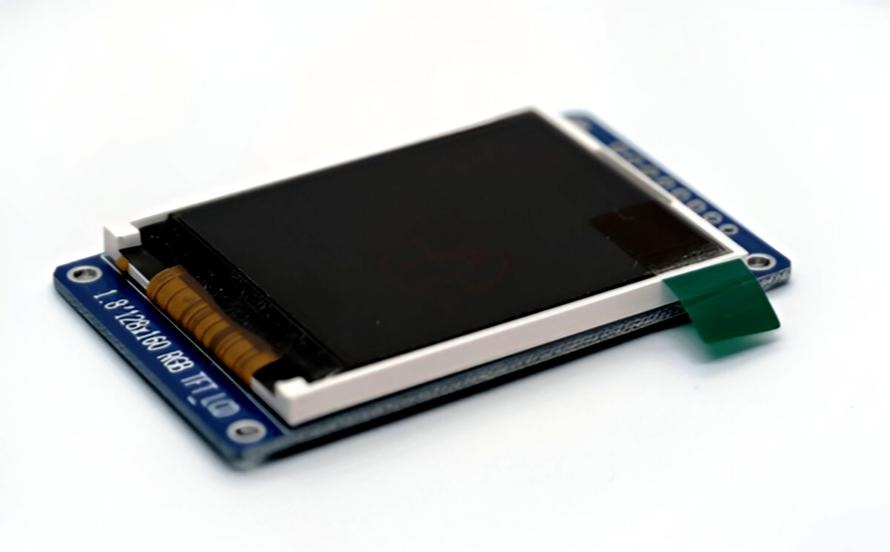
The rapid growth of LED technology has transformed the lighting industry by offering energy-efficient, long-lasting, and environmentally friendly alternatives to traditional lighting systems. Behind every LED lighting product is a carefully designed and manufactured circuit board that controls power distribution and ensures optimal performance. This is where LED PCB assembly plays a critical role.
From residential lighting and automotive headlights to industrial illumination and smart lighting systems, LED circuit boards are essential components that influence efficiency, durability, and overall product quality. Understanding the LED PCB assembly process can help manufacturers, engineers, and product developers create reliable lighting solutions that meet modern performance standards.
What Is LED PCB Assembly?
LED PCB assembly refers to the process of mounting light-emitting diodes (LEDs) and supporting electronic components onto a printed circuit board (PCB) to create a fully functional lighting module.
Unlike conventional electronic assemblies, LED boards are specifically designed to handle thermal management challenges associated with LED operation. Since LEDs generate heat during use, the PCB must efficiently dissipate this heat to maintain performance and extend product lifespan.
The assembly process includes PCB fabrication, component placement, soldering, inspection, and testing to ensure the finished product meets design specifications and quality requirements.
Why LED PCB Assembly Is Important
LED lighting systems depend heavily on the quality of the circuit board assembly. Poor assembly practices can lead to overheating, reduced brightness, shorter lifespan, and overall product failure.
A properly executed LED PCB assembly process ensures:
- Stable electrical performance
- Efficient heat dissipation
- Uniform light output
- Long-term reliability
- Improved energy efficiency
As LED technology continues to evolve, high-quality assembly becomes increasingly important for supporting advanced lighting applications and meeting customer expectations.
Types of PCBs Used in LED Applications
Different PCB materials are used depending on the lighting application and thermal requirements.
Aluminum PCB
Aluminum PCBs are among the most popular choices for LED applications because they provide excellent thermal conductivity. The metal core helps transfer heat away from LEDs, reducing operating temperatures and improving reliability.
These boards are commonly used in high-power lighting systems, streetlights, automotive lighting, and industrial applications.
Copper Core PCB
Copper core PCBs offer even greater thermal performance than aluminum boards. They are often used in applications requiring high current capacity and superior heat dissipation.
FR-4 PCB
Standard FR-4 boards are suitable for low-power LED products where heat generation is less significant. These boards are widely used in consumer electronics and decorative lighting products.
Flexible PCB
Flexible PCBs allow LED modules to be installed in curved or space-constrained environments. They are commonly found in wearable devices, automotive interiors, and architectural lighting systems.
The LED PCB Assembly Process
The LED PCB assembly process involves multiple stages that ensure proper component installation and reliable operation.
Design and Engineering Review
The process begins with evaluating design files, including Gerber data, bills of materials, and assembly drawings.
Engineers review the design for manufacturability, thermal management, component placement, and electrical performance to identify potential issues before production starts.
PCB Fabrication
Once the design is approved, the PCB is manufactured according to project specifications. Material selection is especially important in LED applications because thermal performance directly affects product lifespan and efficiency.
Solder Paste Printing
Solder paste is applied to the PCB using precision stencils. The paste creates the electrical and mechanical connections required for component mounting.
Accurate solder paste application is essential for achieving reliable solder joints and preventing assembly defects.
Component Placement
Automated pick-and-place machines position LEDs, resistors, drivers, connectors, and other electronic components onto the PCB.
Modern assembly equipment can place thousands of components per hour with exceptional precision, ensuring consistent quality across production batches.
Reflow Soldering
After component placement, the PCB passes through a reflow oven where controlled heating melts the solder paste and permanently secures components to the board.
Proper reflow profiles are particularly important for LED assemblies because excessive heat can damage sensitive LED packages.
Inspection and Testing
Following assembly, comprehensive quality inspections are performed to verify assembly accuracy and product functionality.
Common inspection methods include:
- Automated Optical Inspection (AOI)
- X-ray Inspection
- Visual Inspection
- Functional Testing
- Burn-In Testing
These procedures help identify manufacturing defects and ensure consistent product performance.
Advantages of LED PCB Assembly
The growing popularity of LED technology is largely due to the benefits provided by professionally assembled LED circuit boards.
Superior Energy Efficiency
LED lighting systems consume significantly less energy than traditional lighting technologies. Proper PCB assembly ensures efficient power management and maximum energy savings.
Longer Product Lifespan
Effective thermal management helps reduce component stress and extend the operational life of LED products. High-quality assembly contributes directly to long-term reliability.
Compact Design Flexibility
Modern LED assemblies support compact and lightweight product designs, allowing manufacturers to develop innovative lighting solutions for a wide range of applications.
Improved Lighting Performance
Precise assembly ensures consistent electrical performance, resulting in uniform brightness, accurate color output, and stable operation.
Reduced Maintenance Costs
Reliable LED assemblies require less frequent maintenance and replacement, reducing overall ownership costs for end users.
Applications of LED PCB Assembly
LED PCB assembly is used across numerous industries and product categories.
Residential Lighting
LED bulbs, ceiling lights, wall fixtures, and smart home lighting systems rely on assembled LED circuit boards for efficient operation.
Commercial Lighting
Office buildings, retail stores, hotels, and public facilities use LED lighting systems to reduce energy consumption and operating costs.
Automotive Lighting
Modern vehicles incorporate LED technology in headlights, taillights, interior lighting, daytime running lights, and display systems.
Industrial Lighting
Factories, warehouses, and manufacturing facilities require durable LED lighting solutions capable of operating in demanding environments.
Street and Outdoor Lighting
Municipalities worldwide use LED streetlights and outdoor lighting systems to improve energy efficiency and reduce maintenance expenses.
Medical Equipment
Medical devices often incorporate LED technology for illumination, diagnostics, and specialized treatment applications where reliability is essential.
Challenges in LED PCB Assembly
Although LED technology offers many advantages, assembling LED boards presents unique challenges.
Thermal management remains one of the most significant concerns. Inadequate heat dissipation can reduce LED efficiency and shorten product lifespan.
Component placement accuracy is also critical because even minor alignment issues can affect light output and performance consistency.
Additionally, manufacturers must carefully control soldering temperatures to prevent damage to heat-sensitive LED components.
Addressing these challenges requires advanced manufacturing equipment, skilled engineering support, and strict quality control procedures.
Future Trends in LED PCB Assembly
The demand for advanced LED lighting continues to drive innovation in PCB assembly technologies.
Miniaturized LED packages, smart lighting systems, Internet of Things (IoT) integration, and adaptive lighting technologies are creating new opportunities for product development.
Manufacturers are increasingly adopting automated inspection systems, artificial intelligence, and smart factory technologies to improve production efficiency and quality control.
At the same time, sustainability initiatives are encouraging the use of environmentally friendly materials and energy-efficient manufacturing processes.
Conclusion
LED PCB assembly is a vital process that enables the production of efficient, reliable, and high-performance lighting solutions. From material selection and thermal management to precision component placement and testing, every stage contributes to the overall quality and longevity of the final product. As LED technology continues to expand across residential, commercial, automotive, industrial, and medical applications, partnering with an experienced LED PCB assembly service can help manufacturers achieve superior product performance, faster production cycles, and long-term market success.