

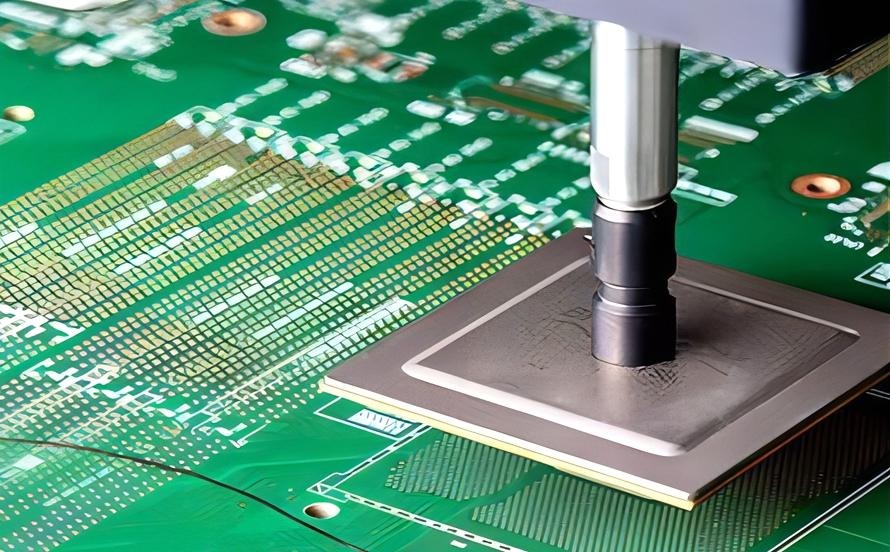
The rapid advancement of technology has transformed the way electronic products are designed, manufactured, and used across every industry. From smartphones and wearable devices to electric vehicles, medical equipment, industrial automation systems, and aerospace technology, every successful product begins with a well-planned Electronics Design process. It is the foundation that determines how efficiently a product performs, how reliable it remains over time, and how easily it can be manufactured at scale.
Modern electronics design goes far beyond creating a circuit diagram. It combines hardware engineering, embedded systems, PCB design, power management, thermal analysis, firmware development, and product optimization into a complete engineering solution. As electronic products become smaller, faster, and more intelligent, manufacturers increasingly require advanced design expertise to meet demanding technical and commercial requirements.
Many businesses partner with experienced Electronics Design Companies in the World to accelerate product development while minimizing engineering risks. These companies provide comprehensive design services that transform innovative ideas into market-ready products, helping businesses shorten development cycles and improve product quality.
This article explores the importance of electronics design, the development process, its advantages, applications, and why working with experienced electronics design companies is essential for creating successful electronic products.
What Is Electronics Design?
Electronics Design is the engineering process of developing electronic products by integrating electrical circuits, embedded hardware, software, mechanical considerations, and manufacturing requirements into a complete system. The process begins with defining the product’s functional objectives and ends with a design that is ready for prototype development and mass production.
Electronics design involves creating circuit schematics, selecting electronic components, designing printed circuit boards, developing embedded firmware, optimizing power distribution, managing thermal performance, and ensuring electromagnetic compatibility. Every design decision directly affects product functionality, reliability, manufacturing cost, and long-term performance.
Unlike individual engineering disciplines, electronics design combines multiple technologies into one coordinated development process. Hardware, software, and mechanical engineers often collaborate closely to ensure the final product meets technical specifications while remaining practical to manufacture.
This integrated approach allows companies to develop products that are reliable, efficient, and competitive in today’s technology-driven markets.
Why Electronics Design Is Important
Every electronic product depends on effective engineering decisions made during the design phase. Even the highest-quality components cannot compensate for poor system architecture or inadequate circuit design.
Professional Electronics Design ensures that every subsystem operates efficiently while maintaining compatibility with the overall product. Engineers optimize circuit performance, reduce electrical noise, improve thermal management, and ensure stable communication between components.
A carefully designed electronic system also simplifies manufacturing by reducing assembly complexity and minimizing production defects. Design optimization during early development often eliminates expensive redesigns later in the project.
Electronics design also supports future product scalability. Well-structured designs allow manufacturers to upgrade hardware, improve firmware, or introduce new features without completely redesigning the product.
These advantages help companies reduce development costs while improving product reliability and accelerating time to market.
The Electronics Design Process
The Electronics Design process begins by understanding the product’s functional requirements, operating environment, regulatory standards, and commercial objectives. Engineers work with customers to define system specifications before selecting the appropriate electronic architecture.
Circuit schematics are developed to establish the electrical functionality of the product. Component selection follows, with engineers evaluating performance, availability, cost, reliability, and long-term supply considerations.
Once the schematic has been completed, PCB layout engineers create a printed circuit board that supports signal integrity, thermal management, power distribution, and efficient manufacturing. Embedded software developers simultaneously create firmware that controls system functionality and communication between electronic components.
Prototype boards are then manufactured and assembled for functional testing. Engineers evaluate electrical performance, software functionality, thermal behavior, electromagnetic compatibility, and overall system reliability before refining the design for production.
After successful validation, complete manufacturing documentation is prepared to support large-scale production while maintaining consistent product quality.
Benefits of Professional Electronics Design
One of the greatest advantages of professional Electronics Design is improved product reliability. Careful engineering reduces electrical interference, improves signal integrity, and ensures stable operation throughout the product’s expected service life.
Another important benefit is faster product development. Experienced design teams identify potential engineering challenges early, allowing problems to be resolved before prototype manufacturing begins.
Professional electronics design also improves manufacturing efficiency by optimizing PCB layouts, simplifying assembly processes, and reducing component count where appropriate. These improvements help lower production costs while increasing manufacturing yields.
Thermal management is another significant advantage. Engineers carefully analyze heat generation and optimize component placement, cooling methods, and power distribution to ensure reliable long-term operation.
In addition, professional electronics design supports product compliance with international safety, environmental, and electromagnetic compatibility standards, helping manufacturers successfully enter global markets.
Applications of Electronics Design
Electronics design supports nearly every technology-driven industry. Consumer electronics manufacturers rely on professional engineering for smartphones, laptops, wearable devices, gaming systems, smart home products, and household appliances that require compact, energy-efficient designs.
Automotive companies develop sophisticated electronic systems for electric vehicles, battery management systems, engine controllers, advanced driver assistance systems, digital dashboards, and intelligent lighting platforms that operate reliably under demanding conditions.
Medical equipment manufacturers require advanced electronics design for patient monitoring systems, diagnostic instruments, laboratory analyzers, imaging equipment, portable healthcare products, and wearable medical devices where accuracy and reliability are essential.
Industrial automation companies depend on customized electronic systems for programmable logic controllers, robotics equipment, industrial communication modules, sensors, motor controllers, and factory automation platforms that operate continuously in challenging environments.
Aerospace and defense organizations utilize advanced electronics design for avionics, radar systems, navigation equipment, communication devices, surveillance systems, and mission-critical control systems requiring exceptional performance and reliability.
Telecommunications infrastructure, renewable energy systems, networking equipment, scientific instruments, Internet of Things devices, security products, and embedded computing platforms also rely on innovative electronics design to support increasingly sophisticated technologies.
Why Electronics Design Companies in the World Matter
Leading Electronics Design Companies in the World play a vital role in transforming innovative concepts into commercially successful products. These organizations bring together multidisciplinary engineering teams with expertise in hardware design, PCB layout, embedded software, mechanical integration, testing, and manufacturing support.
Experienced design companies provide end-to-end engineering services that cover concept development, schematic design, PCB layout, firmware programming, prototype development, design validation, regulatory compliance, and production support. Their integrated approach helps reduce technical risks while improving development efficiency.
Modern design firms use advanced computer-aided engineering tools, simulation software, signal integrity analysis, thermal modeling, three-dimensional mechanical integration, and electromagnetic compatibility testing to optimize products before manufacturing begins.
Many global design companies also work closely with PCB fabrication and electronics manufacturing partners, ensuring that designs are fully optimized for efficient production. This collaboration reduces manufacturing challenges while improving overall product quality and consistency.
By partnering with experienced electronics design companies, businesses gain access to specialized engineering expertise that may not be available within internal development teams.
Quality Assurance in Electronics Design
Quality assurance begins during the earliest stages of Electronics Design through comprehensive engineering reviews and design verification. Every schematic undergoes detailed analysis to ensure correct circuit functionality before PCB layout begins.
Throughout the design process, engineers perform design rule checking, electrical verification, signal integrity analysis, power integrity evaluation, thermal simulations, and electromagnetic compatibility assessments to identify potential issues before prototype manufacturing.
Prototype products undergo extensive functional testing to verify hardware performance, firmware operation, communication interfaces, thermal stability, and environmental reliability. Design improvements are implemented before production documentation is finalized.
Before manufacturing, Design for Manufacturability and Design for Assembly reviews ensure the product can be fabricated and assembled efficiently while maintaining high production yields.
Leading design organizations operate under internationally recognized quality systems such as ISO 9001 while following IPC standards, UL requirements, RoHS compliance, and industry-specific regulations including ISO 13485 for medical devices, IATF 16949 for automotive electronics, and AS9100 for aerospace applications. These quality systems help ensure that every product meets both customer expectations and global manufacturing standards.
Conclusion
Electronics Design is the driving force behind every successful electronic product, combining engineering expertise, innovation, and manufacturing knowledge to transform concepts into reliable commercial solutions. By optimizing hardware architecture, PCB design, embedded software, thermal performance, and manufacturability, professional electronics design enables companies to develop high-performance products that succeed in competitive global markets.
Leading Electronics Design Companies in the World continue to shape the future of technology by delivering advanced engineering solutions for industries including automotive, healthcare, aerospace, telecommunications, industrial automation, renewable energy, and consumer electronics. As electronic systems become increasingly intelligent, connected, and compact, professional electronics design will remain essential for creating innovative, reliable, and future-ready products that power the next generation of technological advancement.
