

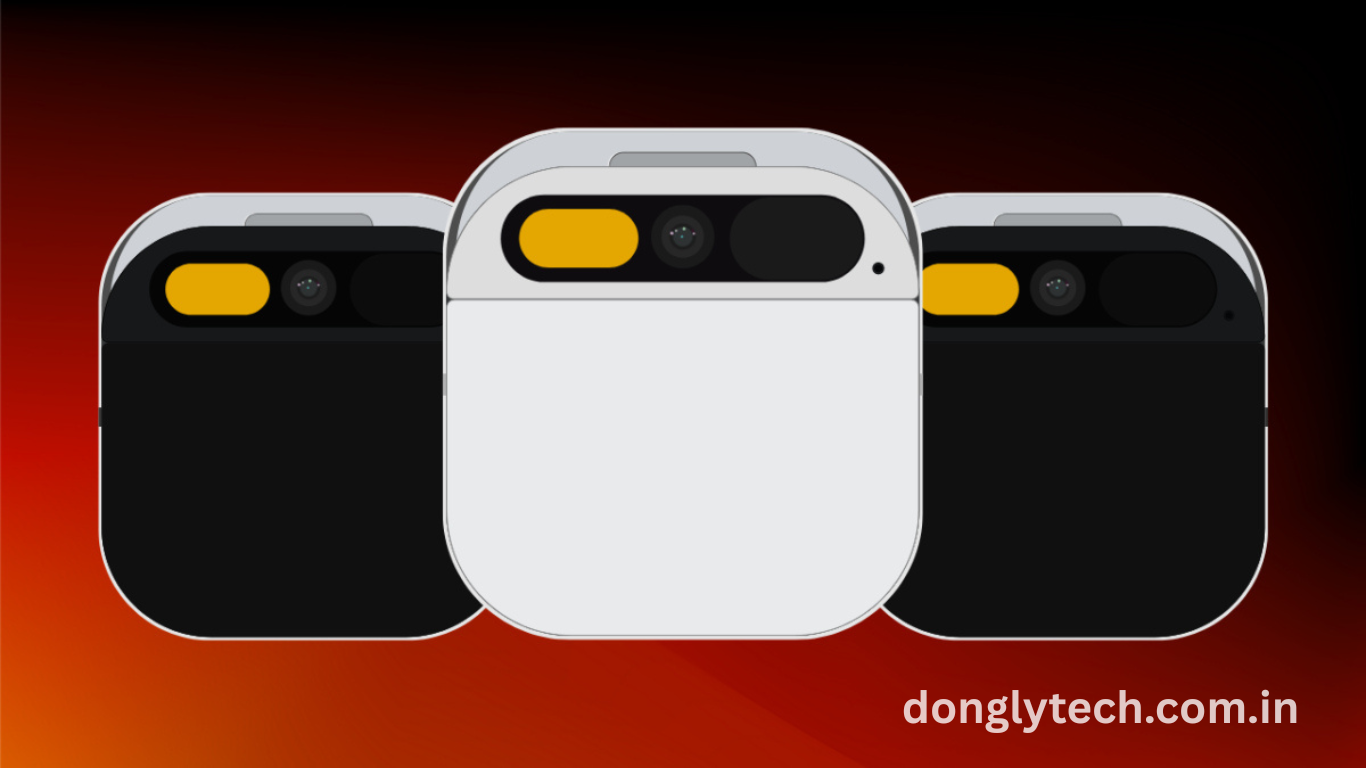
In an era driven by rapid technological advancement, wearable AI devices are making waves as the next frontier in personal computing. These smart gadgets promise hands-free, screen-free access to information and services powered by artificial intelligence. Leading this new wave of innovation is the Humane Ai Pin, a sleek, button-sized device aiming to redefine how we interact with technology. Marketed as a revolutionary step beyond smartphones, the Ai Pin has generated both excitement and skepticism.
But as the hype begins to settle, industry watchers are starting to ask a critical question: Was the Humane Ai Pin too ambitious for its sound? With lofty promises of seamless interaction, powerful AI capabilities, and minimal hardware design, the Ai Pin sought to be a game-changer. Yet, early reviews and user experiences paint a more complicated picture of innovation, expectations, and real-world performance.
The Promise Behind Humane’s Ai Pin
The Ai Pin was positioned as a post-smartphone device that could leverage AI for daily tasks, communication, and decision-making. Humane envisioned it as a minimalist yet powerful wearable that would blend into your lifestyle. With voice commands, laser projection, and cloud-based AI processing, it promised a futuristic, distraction-free digital experience.
Design and Features of the Ai Pin
Small and sleek, the Ai Pin attaches to clothing using magnets and includes a built-in camera, microphone, and laser projector. It uses voice input and gesture controls to minimize screen dependency. Its most striking feature is the projection system, which displays basic information on your palm. It also leverages OpenAI’s language models for conversational interaction.
Read More : Level Zero Health lands $6.9M to ease hormone testing with wearable medtech
Initial Market Reception and Early Reviews
Upon launch, the Ai Pin attracted significant media attention. However, early users pointed out issues such as slow response times, limited functionality, and connectivity problems. Some praised its innovation and ambition, while others found it to be a prototype more than a polished consumer product.
Challenges with Real-World Usability
In theory, a screenless AI device sounds ideal. In practice, the Ai Pin’s reliance on voice commands and projection makes it less suitable in noisy or bright environments. Battery life and heat management were also common concerns among early adopters. The novelty wore off quickly for users who needed faster, more reliable performance.
The Role of AI and Cloud Dependency
One of the Ai Pin’s selling points was its deep integration with cloud-based AI. However, this dependency created latency and reliability issues. Without strong internet connectivity, the device often lags or fails. While its use of large language models was impressive, the lack of local processing power proved limiting.
Privacy, Security, and Ethical Considerations
With a built-in camera and microphone that always listens, the AI Pin raised eyebrows over data privacy and surveillance. Humane promised strong encryption and on-device control, but public concerns remained. The device sparked conversations about ethical boundaries in AI wearables and constant data collection.
Comparisons to Other AI Wearables
Compared to AI-enabled smartwatches or earbuds, the Ai Pin is unique in design and intent. While others extend the smartphone experience, the Ai Pin tries to replace it. This boldness sets it apart but also highlights its shortcomings in terms of practicality, ecosystem support, and market readiness.
Was the Market Ready for the Ai Pin?
Timing played a crucial role in the Ai Pin’s challenges. Consumer habits still revolve around screens and established platforms like smartphones and smartwatches. While tech enthusiasts were curious, mainstream users were hesitant. The device may have come too soon, ahead of widespread demand and infrastructure.
Humane’s Vision vs. Market Reality
Humane aimed to disrupt the tech landscape with a bold new interaction model. Yet, the reality of execution and market adaptation proved challenging. High expectations met hardware and software limitations. The Ai Pin’s ambition outpaced the ecosystem needed to support it, leading to a disconnect between vision and outcome.
What Can Future AI Wearables Learn from Ai Pin?
The Ai Pin provides valuable lessons for future AI wearable development. Key takeaways include the need for better offline capabilities, seamless user experience, and scalable design. Innovations must balance ambition with functionality, ensuring real-world usability without overwhelming users or under-delivering on promises.
Frequently Asked Questions
What is the Humane Ai Pin?
The Humane Ai Pin is a wearable AI device designed to replace smartphones, using voice commands and laser projection for interaction.
How does the Ai Pin work?
It uses a microphone, camera, and AI software to process voice commands, project information on your hand, and provide innovative assistant capabilities.
What are the key features of the Ai Pin?
Core features include voice control, laser projection, cloud-based AI processing, gesture recognition, and a minimalist wearable design.
Is the Ai Pin better than a smartphone?
Not currently. While innovative, the Ai Pin lacks the speed, versatility, and ecosystem support of modern smartphones.
What are the main criticisms of the Ai Pin?
Criticisms include slow performance, reliance on internet connectivity, privacy concerns, and limited practical use in everyday environments.
Who is the Ai Pin best suited for?
Early adopters and tech enthusiasts interested in cutting-edge wearable AI experiences may find it appealing despite its limitations.
Does the Ai Pin respect user privacy?
Humane claims strong privacy measures, but concerns persist due to its always-on sensors and data processing model.
Will there be future versions of the Ai Pin?
Yes, likely. Humane and other tech companies are expected to refine wearable AI designs based on user feedback and market trends.
Conclusion
The Humane Ai Pin is a bold step into the future of AI wearables, offering a glimpse of what’s possible beyond smartphones. Yet, its ambition exceeded what current technology and user habits can support. As the industry learns from its missteps, we may see future devices deliver on the promises that the Ai Pin pioneered. Keep an eye on this evolving frontier.