

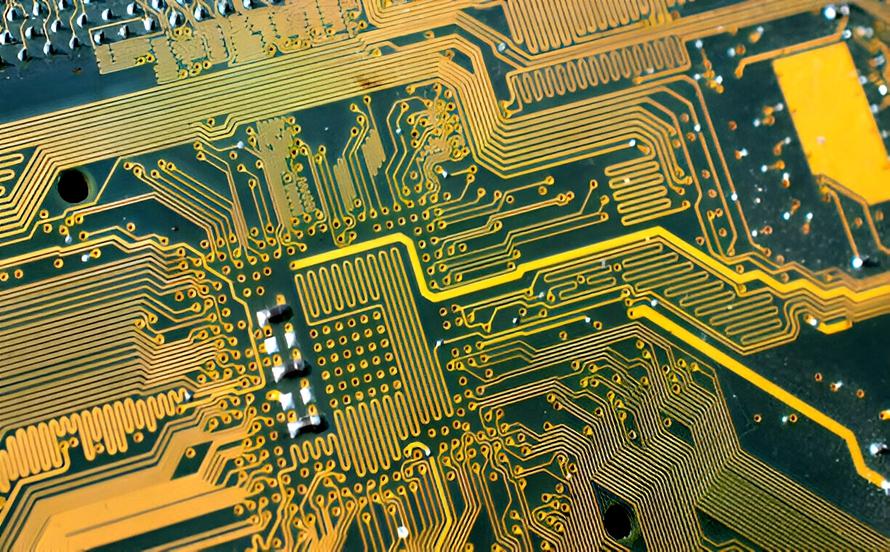
Electronic products often have different performance, size, power, and connectivity requirements. Standard circuit boards may not always provide the flexibility needed for specialized applications. This is where custom PCB assembly becomes important. It allows manufacturers to build printed circuit boards according to specific design requirements, component configurations, and functional needs.
From prototypes to large-scale production, customized circuit board assembly can support products across industries such as automotive, medical electronics, industrial automation, telecommunications, consumer electronics, and aerospace. A well-planned assembly process can help ensure that the finished PCB meets its electrical, mechanical, and reliability requirements.
What Is Custom PCB Assembly?
Custom PCB assembly is the process of assembling electronic components onto a printed circuit board according to a specific customer design. Unlike standard off-the-shelf boards, customized PCB assemblies are produced based on the requirements of a particular electronic product.
The assembly may include surface mount technology (SMT), through-hole technology (THT), or a combination of both. Components can include resistors, capacitors, integrated circuits, connectors, sensors, switches, and other electronic devices.
The final assembly is based on design files such as Gerber files, bill of materials (BOM), pick-and-place files, schematic diagrams, and assembly drawings. These documents provide manufacturers with the information required to accurately build the board.
Why Is Customized PCB Assembly Important?
Different electronic products require different circuit configurations. A wearable device may need an extremely compact PCB, while an industrial controller may require larger components and stronger mechanical connections.
Customized PCB manufacturing provides flexibility in component selection, board layout, assembly technology, and testing requirements. Engineers can create an assembly that is optimized for the intended application instead of adapting a standard board to meet specialized requirements.
This flexibility can also support product miniaturization. Components can be carefully positioned to make efficient use of the available PCB area while maintaining appropriate spacing for manufacturing and inspection.
How Does the Custom PCB Assembly Process Work?
The process generally begins with reviewing the customer's design and manufacturing documentation. Engineers may examine the PCB layout, BOM, component specifications, and assembly requirements to identify potential manufacturing issues.
Solder paste is then applied to the appropriate pads when SMT components are used. A stencil helps control the amount and position of solder paste deposited onto the PCB.
Next, automated pick-and-place equipment positions components according to the placement data. The board then enters a reflow oven where controlled heating melts the solder paste and forms solder joints.
For through-hole components, components are inserted into the appropriate holes and soldered using suitable techniques such as wave soldering or selective soldering. Depending on the design, additional manual assembly may be required for certain components.
After assembly, the PCB undergoes inspection and testing before being prepared for delivery.
Which Technologies Are Used in Custom PCB Assembly?
Several assembly technologies may be used depending on the product requirements. SMT is commonly selected for compact electronic products because it supports high component density and automated placement.
THT remains useful for components that require strong mechanical connections or are not available in suitable surface mount packages. Connectors, switches, transformers, and certain power components may use through-hole packages.
Mixed-technology assembly combines SMT and THT components on the same PCB. This approach provides flexibility when a product requires both compact components and mechanically robust through-hole parts.
The choice of assembly technology should be based on the board design, component characteristics, production volume, and reliability requirements.
What Are the Benefits of Custom PCB Assembly?
One major benefit is design flexibility. Engineers can develop the assembly around the specific electrical and mechanical requirements of the product.
Customized board assembly can also support better space utilization. Components can be positioned according to the available board area, which is useful for compact devices.
Another advantage is component flexibility. Manufacturers can work with specific component packages, connectors, sensors, and integrated circuits required by the design.
Custom assembly can also support different production stages. A product can begin with a small prototype batch for testing and move toward larger production quantities after the design has been validated.
Furthermore, manufacturers can implement inspection and testing procedures based on the application. This helps ensure that important quality and performance requirements are addressed during production.
How Does Design Affect Custom PCB Assembly?
PCB design has a significant influence on assembly efficiency and product reliability. A design that looks electrically correct may still present manufacturing challenges if component spacing, pad sizes, thermal considerations, or assembly clearances are not appropriate.
Design for manufacturability (DFM) reviews can identify potential problems before production begins. Engineers may check component placement, solder mask openings, pad geometry, board thickness, and other manufacturing parameters.
The bill of materials should also contain accurate component numbers and specifications. Incorrect or incomplete component information can result in sourcing problems or assembly errors.
Early communication between the design and manufacturing teams can therefore reduce unnecessary modifications and production delays.
What Quality Control Is Required?
Quality control is an essential part of customized PCB production. Since every design may have different components and requirements, inspection procedures should be appropriate for the specific assembly.
Automated optical inspection (AOI) can identify issues such as missing components, incorrect placement, polarity errors, and visible solder defects. X-ray inspection may be used when solder joints or connections are hidden beneath components.
Electrical testing can provide additional verification of circuit performance. Depending on the application, manufacturers may use in-circuit testing, functional testing, or other specialized methods.
Quality control should continue throughout the manufacturing process rather than being limited to final inspection.
What Challenges Can Occur During Custom PCB Assembly?
Customized assemblies can involve components with unusual packages, fine-pitch connections, high power requirements, or limited availability. These factors can make sourcing and production more complicated.
Component availability is another common challenge. A PCB design may depend on specific components that have long lead times or limited supply. Identifying suitable alternatives early can help prevent production delays.
Thermal management may also require additional attention. High-power components can generate significant heat, making component placement and PCB design important considerations.
Small production runs can present another challenge because setup and programming costs are distributed across fewer boards. Careful planning can help control these expenses.
Where Is Custom PCB Assembly Used?
Customized PCB assemblies are used across many industries. Medical electronics may require specialized sensors and compact circuit designs. Automotive electronics can require assemblies capable of operating under demanding environmental conditions.
Industrial automation systems often use customized boards for control, monitoring, and communication functions. Telecommunications equipment may require high-density circuits and specialized connectivity.
Consumer electronics, IoT devices, security equipment, testing instruments, and specialized electronic systems can also benefit from customized assembly solutions.
Conclusion
Custom PCB assembly provides manufacturers and product developers with the flexibility to build circuit boards around specific product requirements. From component selection and PCB layout to assembly technology, inspection, and testing, each stage can be adapted to the application's needs. Proper design review, component sourcing, manufacturing controls, and quality testing are important for achieving consistent results. Businesses developing specialized electronic products can benefit from working with an experienced custom PCB assembly company that understands both the technical and manufacturing requirements of customized circuit board production.
