

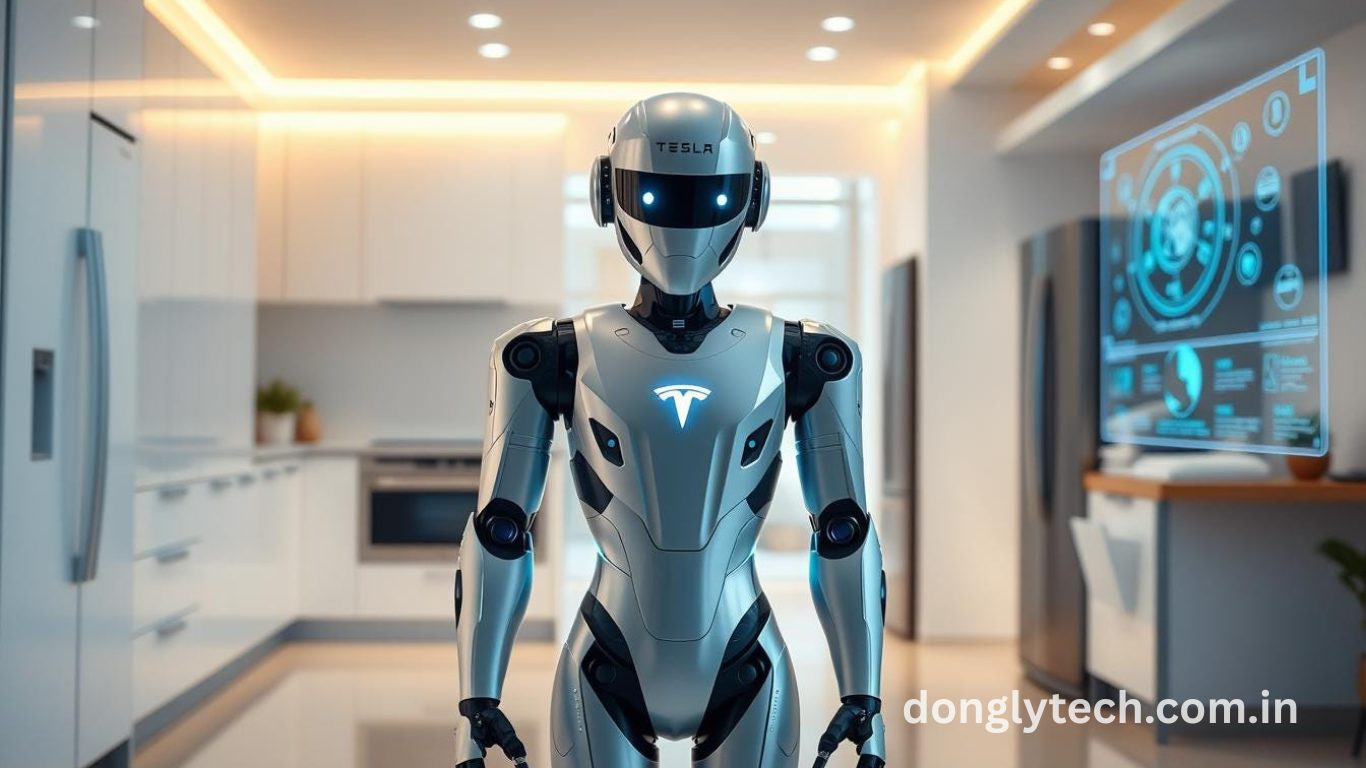
In recent years, the field of robotics has witnessed explosive growth, especially with the advent of humanoid robots designed to mirror and interact with human environments. One name that continues to grab headlines is Tesla, not just for its electric vehicles but also for its bold ambitions in robotics. Tesla’s humanoid robot, dubbed Optimus, is wrapped in secrecy, stirring curiosity and speculation among tech enthusiasts, investors, and researchers alike.
This shroud of non-disclosure surrounding Tesla’s bot signals a competitive edge, but it also raises vital questions about transparency, ethics, and the future role of humanoid robots. As other companies rapidly advance their robotic projects, we’re now standing at a fascinating crossroads: where science fiction is becoming science fact, and humanoid robots are increasingly taking off—literally and figuratively—in industrial, healthcare, and even domestic sectors.
Tesla’s Optimus Bot: What We Know So Far
Tesla unveiled its humanoid robot prototype, Optimus, with promises of transforming the economy by eliminating mundane tasks. Designed to be five feet eight inches tall and weigh 125 pounds, Optimus is expected to handle repetitive labor, lift to 45 pounds, and operate safely around humans. Despite these revelations, much of its development remains under wraps, protected by strict NDAs (non-disclosure agreements).
This non-disclosure culture is part of Tesla’s strategic positioning, minimizing leaks while hyping future capabilities. It suggests the technology could be far more advanced—or controversial—than publicly known. The secrecy fuels interest while guarding intellectual property in a highly competitive space.
Why the Non-Disclosure Around Tesla’s Bot Is Making Headlines
Tesla’s reluctance to share details about Optimus is unusual in a field that thrives on open-source collaboration and academic transparency. However, this strategy aligns with CEO Elon Musk’s typical approach—generate anticipation while keeping innovation behind closed doors.
While NDAs are standard in tech, Tesla’s approach has sparked debate. Critics argue it limits collaborative progress, while supporters see it as a savvy business tactic to stay ahead of rivals like Boston Dynamics or Figure AI. The lack of public demos, performance metrics, and integration timelines adds to the mystery and intrigue.
The Rise of Humanoid Robots in the Tech Industry
Humanoid robots are gaining momentum as industries search for automation solutions that can safely coexist with human workers. These robots mimic human form and movement, making them ideal for complex environments like warehouses, retail, and even hospitals. They offer adaptability beyond traditional machines, making them a future-ready solution.
Read More : AI wearables 1.0 Was Humane’s Ai Pin too ambitious?
Major players like Boston Dynamics, Agility Robotics, and Figure AI are pushing boundaries in mobility, object recognition, and dexterity. Investment in humanoid robotics surged in 2023–2024, fueled by labor shortages and rapid AI advancement. The global market is projected to reach $20 billion by 2030, underlining the sector’s viability.
AI Integration Is Accelerating Robot Capabilities
Artificial intelligence (AI) is the real game-changer in humanoid robotics. AI gives robots the ability to learn, adapt, and interact meaningfully with their environment. It powers vision systems, motion planning, voice recognition, and even emotional intelligence to some extent. Without AI, humanoid robots would be clunky and unsafe.
Tesla’s AI Day presentations hinted that Optimus would eventually leverage the same neural network architecture used in Tesla vehicles, which means the robot could learn from real-world experiences. This vertical integration of AI, software, and hardware is key to making humanoid robots practical and commercially viable.
Robotics as a Solution to Global Labor Shortages
One of the strongest arguments for humanoid robots is their potential to fill labor gaps in industries experiencing workforce shortages. Logistics, elder care, agriculture, and manufacturing are struggling to find human workers for repetitive or physically demanding roles. Robots can bridge this gap with 24/7 performance and minimal risk of burnout.
Countries like Japan and Germany, facing aging populations, are turning to robotics as a long-term solution. In the U.S., Amazon-backed Agility Robotics is already piloting humanoid workers in warehouses. As tasks get more sophisticated, robots will play an increasing role in economic productivity.
Ethical Considerations and Human Coexistence
While excitement around humanoid robots is growing, so are concerns about ethics and human displacement. What happens when machines start doing jobs traditionally held by humans? Will they exacerbate inequality or enable new forms of human-robot collaboration?
There’s also the question of data privacy. If Tesla and others equip their robots with cameras and microphones, how will they ensure user data is secure? Ethical deployment requires transparency, regulation, and inclusive design to ensure these robots serve society—not undermine it.
The Business Race: Tesla vs. Other Robotics Leaders
Tesla’s secretive progress with Optimus is part of a broader race involving tech giants and robotics startups. Companies like Boston Dynamics have showcased robots like Atlas doing backflips and parkour, while Figure AI has raised significant funding with minimal public demos.
Tesla’s advantage lies in its manufacturing scale, AI expertise, and ability to integrate into its automotive ecosystem. However, competitors may have the upper hand in transparency and collaboration. The next few years will be pivotal in determining who sets the industry standard for humanoid robots.
From Labs to Living Rooms: Where Robots Are Headed Next
The future of humanoid robots isn’t confined to industrial settings. As the tech matures and becomes more affordable, expect to see robots performing tasks in homes, hotels, airports, and schools. Personal assistants, eldercare helpers, and teaching aides are just some of the near-term possibilities.
For this to happen, user interfaces must become intuitive, and safety must be paramount. Tesla’s Optimus and its competitors have the potential to reshape daily life, but broad adoption will depend on earning public trust and ensuring reliability.
Frequently Asked Questions
Why is Tesla keeping details about its robot under non-disclosure?
Tesla uses NDAs to protect proprietary technology, prevent leaks, and control the public narrative. This tactic is common in highly competitive industries.
What is the Tesla Optimus robot supposed to do?
Optimus is designed for general-purpose tasks like lifting, carrying, and assisting with repetitive or dangerous work, especially in factories and homes.
Are other companies building humanoid robots, too?
Yes, companies like Boston Dynamics, Agility Robotics, and Figure AI are developing advanced humanoid robots for logistics, healthcare, and public service.
How does AI improve humanoid robots?
AI allows robots to learn from data, recognize objects and people, navigate spaces, and make decisions, making them more autonomous and adaptive.
Could humanoid robots replace human jobs?
In some sectors, robots may replace repetitive or hazardous jobs. However, they’re also expected to create new roles in robot maintenance and oversight.
When will humanoid robots become standard in homes?
While industrial adoption is already underway, home use may become mainstream within the next 5–10 years as costs decrease and safety improves.
Are there any risks in deploying humanoid robots?
Yes, concerns include data privacy, job displacement, technical failure, and ethical dilemmas around machine autonomy and human interaction.
How is Tesla’s approach different from that of other robotics firms?
Tesla combines AI, electric motor design, and large-scale manufacturing. Its closed-door development contrasts with more open approaches in the industry.
Conclusion
Tesla’s bot secrecy adds intrigue to an already electrifying field of innovation. As humanoid robots continue to evolve, driven by AI and real-world needs, the technology is poised to reshape work and daily life. From Optimus to open-source bots, the future of robotics is not just coming—it’s accelerating. Stay informed, stay curious, and watch this space.